Thanks for the links. From the link about D'ni:Man in Space wrote: ↑Sat Sep 27, 2025 9:01 pmIANAL, but the way the relevant legislation reads:RyanChangHill wrote: ↑Sat Sep 27, 2025 7:53 pmI think sequences of words or characters are not copywritten or copywritable, but perhaps glyphs may be if made for artistic purposes by an individual. Conlang copyright is murky in general. I don't think I would get into trouble if I used any glyph shapes that are too similar to some rare Chinese character variants, but there would be more issues if I did that with a character from Xu Bing's A Book from the Sky.
It was held that shorthand could not be copyrighted (Brief English Systems v. Owen). More recently, in 2004, the USCO held, on appeal, that D’ni writing glyphs would be denied registration (PDF).17 USC § 102(b) wrote:In no case does copyright protection for an original work of authorship extend to any idea, procedure, process, system, method of operation, concept, principle, or discovery, regardless of the form in which it is described, explained, illustrated, or embodied in such work.
You probably could—whether it is, to understate, a good idea or not is a different matter.

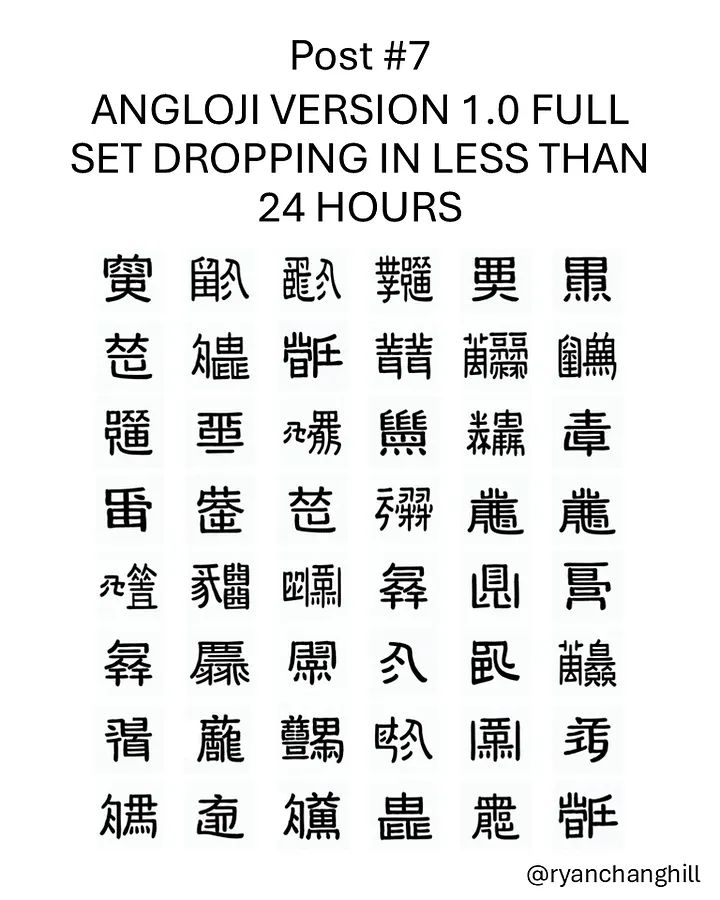
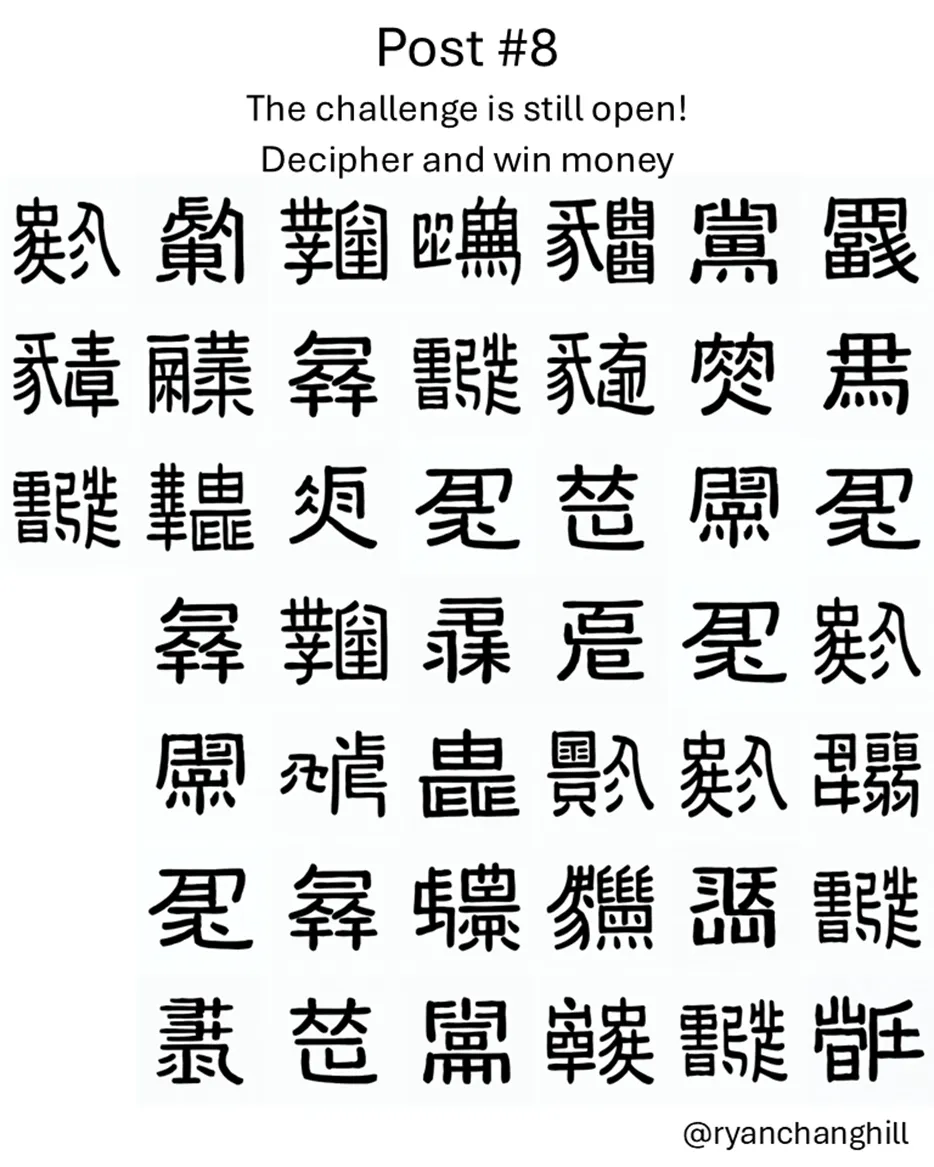
I wonder if there is a certain level of glyph complexity that might enable copyright? If it's complex enough beyond an "essential" purpose maybe? Is the semantic component considered "essential" here in legal terms?"Ms. Dadant explained that the shapes of the characters were not "complex pictographs containing pictorial content not essential to the purpose of the character." She further stated that each character "consists of but a few strokes that create the basic shape of the character."
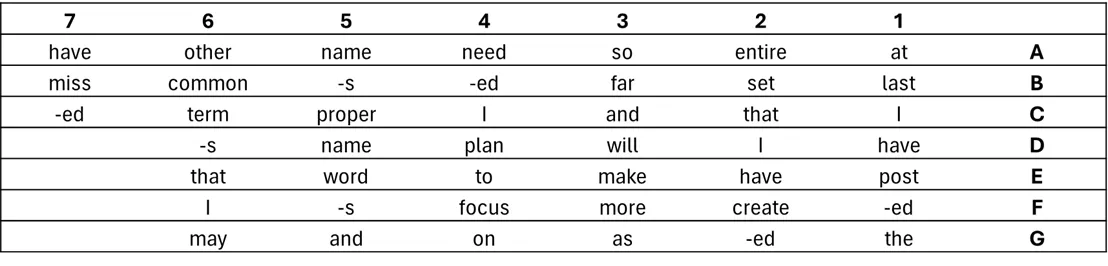
In any case, it was more fun to design them from scratch, even if the characters for common words had to be fairly complex.