There's a fair few examples like digged → dug, wreaked → wrought (thus making "wreak" one of English's three suppletive verbs)bradrn wrote: ↑Thu Nov 21, 2024 2:47 amHuh, really? I’m skeptical.Darren wrote: ↑Thu Nov 21, 2024 2:46 amI have heard that English verbs reached peak regularity in the Middle Ages and since then the trend of analogy has been more in favour of strong verbs, although I don't know where they got their figures from.bradrn wrote: ↑Thu Nov 21, 2024 1:08 am (A similar example from English: the verb help used to have past tense holp, but in modern English the suffix -ed has been generalised, such that the standard past tense form is now helped. Similarly for heave, shave and a bunch of other verbs. But English verbs are complicated enough that analogy can work in the opposite direction too: e.g. bring sometimes gets past tense brang or brung, by analogy with verbs like wring and spring.)
Sound Change Quickie Thread
Re: Sound Change Quickie Thread
Re: Sound Change Quickie Thread
It's suppletive from a diachronic point of view, but I wonder if it can be synchronically analysed as suppletive, what with 'seak - sought'; or as one of only three, that is
the game

Re: Sound Change Quickie Thread
yeah i'm skeptical too, for every "brung" getting formed there's another "throve" turning into "thrived" due to lack of use and reinforce
Re: Sound Change Quickie Thread
I think that "irregular" also includes the numerous analogical -en past forms (gotten, putten, slowen) and -t forms (wet, fit, built) both of which are undoubtedly on the rise.

Re: Sound Change Quickie Thread
How likely would it be for a regular voicing distinction in stops to unconditionally develop into a contrast stiff vs.slack stops? For example, *p, *b > /p, b̥/. Are there known natural language examples of such a shift?
-
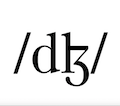
dɮ the phoneme
- Posts: 365
- Joined: Mon Jul 09, 2018 2:53 am
- Location: On either side of the tongue, below the alveolar ridge
- Contact:
Re: Sound Change Quickie Thread
Is there any language in which stress regularly precedes a heavy syllable?
Ye knowe eek that, in forme of speche is chaunge
With-inne a thousand yeer, and wordes tho
That hadden pris, now wonder nyce and straunge
Us thinketh hem; and yet they spake hem so,
And spedde as wel in love as men now do.
(formerly Max1461)
With-inne a thousand yeer, and wordes tho
That hadden pris, now wonder nyce and straunge
Us thinketh hem; and yet they spake hem so,
And spedde as wel in love as men now do.
(formerly Max1461)
Re: Sound Change Quickie Thread
WALS thinks there aren't any: https://wals.info/chapter/15
The universal property of a weight-sensitive system is that in cases (1a) and (1b) stress will always be located on the heavy syllable.
-
StrangerCoug

- Posts: 184
- Joined: Wed Jul 18, 2018 5:11 pm
- Location: San Antonio, TX
- Contact:
Re: Sound Change Quickie Thread
How plausible is something like /ɥ/ → /ʝʷ/ → /ʒʷ/ → /d͡ʒʷ/ → /d͡ʒ/ word-initially and after sonorant consonants and /ɥ/ → /ʝʷ/ → /ʒʷ/ → /ʒ/ elsewhere?
Re: Sound Change Quickie Thread
I'd expect /j/ to go along with it but you could probably get away without it if you want.StrangerCoug wrote: ↑Wed Sep 10, 2025 1:17 am How plausible is something like /ɥ/ → /ʝʷ/ → /ʒʷ/ → /d͡ʒʷ/ → /d͡ʒ/ word-initially and after sonorant consonants and /ɥ/ → /ʝʷ/ → /ʒʷ/ → /ʒ/ elsewhere?
-
StrangerCoug
- Posts: 184
- Joined: Wed Jul 18, 2018 5:11 pm
- Location: San Antonio, TX
- Contact:
Re: Sound Change Quickie Thread
Yeah, I was thinking of something to accompany /j/ → /ʝ/ → /ʒ/, then /ʒ/ → /d͡ʒ/ word-initially and after sonorant consonants.Darren wrote: ↑Wed Sep 10, 2025 4:34 amI'd expect /j/ to go along with it but you could probably get away without it if you want.StrangerCoug wrote: ↑Wed Sep 10, 2025 1:17 am How plausible is something like /ɥ/ → /ʝʷ/ → /ʒʷ/ → /d͡ʒʷ/ → /d͡ʒ/ word-initially and after sonorant consonants and /ɥ/ → /ʝʷ/ → /ʒʷ/ → /ʒ/ elsewhere?
Re: Sound Change Quickie Thread
If you are also changing /j/ in this fashion I would say it's perfectly plausible.StrangerCoug wrote: ↑Wed Sep 10, 2025 10:34 amYeah, I was thinking of something to accompany /j/ → /ʝ/ → /ʒ/, then /ʒ/ → /d͡ʒ/ word-initially and after sonorant consonants.Darren wrote: ↑Wed Sep 10, 2025 4:34 amI'd expect /j/ to go along with it but you could probably get away without it if you want.StrangerCoug wrote: ↑Wed Sep 10, 2025 1:17 am How plausible is something like /ɥ/ → /ʝʷ/ → /ʒʷ/ → /d͡ʒʷ/ → /d͡ʒ/ word-initially and after sonorant consonants and /ɥ/ → /ʝʷ/ → /ʒʷ/ → /ʒ/ elsewhere?
Yaaludinuya siima d'at yiseka wohadetafa gaare.
Ennadinut'a gaare d'ate eetatadi siiman.
T'awraa t'awraa t'awraa t'awraa t'awraa t'awraa t'awraa.
Ennadinut'a gaare d'ate eetatadi siiman.
T'awraa t'awraa t'awraa t'awraa t'awraa t'awraa t'awraa.
-
DorotheaBrooke
- Posts: 16
- Joined: Thu May 15, 2025 10:06 pm
Re: Sound Change Quickie Thread
Seems very plausible to me, though you could easily simplify it; /ɥ/ --> /d͡ʒʷ/ → /d͡ʒ/, with an additional lenition to /ʒ/ in the necessary places. Though maybe there's a reason you have that path in relation to other sound changes so in that case fair enough.StrangerCoug wrote: ↑Wed Sep 10, 2025 1:17 am How plausible is something like /ɥ/ → /ʝʷ/ → /ʒʷ/ → /d͡ʒʷ/ → /d͡ʒ/ word-initially and after sonorant consonants and /ɥ/ → /ʝʷ/ → /ʒʷ/ → /ʒ/ elsewhere?
Re: Sound Change Quickie Thread
I would personally favor StrangerCoug's sound changes as such because then there is a consistent direction of fortition, which is just taken further in some positions as opposed to others, rather than fortition followed by conditional lenition.DorotheaBrooke wrote: ↑Wed Sep 10, 2025 3:04 pmSeems very plausible to me, though you could easily simplify it; /ɥ/ --> /d͡ʒʷ/ → /d͡ʒ/, with an additional lenition to /ʒ/ in the necessary places. Though maybe there's a reason you have that path in relation to other sound changes so in that case fair enough.StrangerCoug wrote: ↑Wed Sep 10, 2025 1:17 am How plausible is something like /ɥ/ → /ʝʷ/ → /ʒʷ/ → /d͡ʒʷ/ → /d͡ʒ/ word-initially and after sonorant consonants and /ɥ/ → /ʝʷ/ → /ʒʷ/ → /ʒ/ elsewhere?
Yaaludinuya siima d'at yiseka wohadetafa gaare.
Ennadinut'a gaare d'ate eetatadi siiman.
T'awraa t'awraa t'awraa t'awraa t'awraa t'awraa t'awraa.
Ennadinut'a gaare d'ate eetatadi siiman.
T'awraa t'awraa t'awraa t'awraa t'awraa t'awraa t'awraa.
-
/ˌnɐ.ˈɾɛn.dɚ.ˌduːd/

- Posts: 299
- Joined: Tue Feb 11, 2025 7:47 pm
- Location: the end
Re: Sound Change Quickie Thread
is something like /pʼ tʼ kʼ/ → /pʔ tʔ kʔ/ → /ɸʔ θʔ xʔ/ → /ɸ θ x/ (ejectives become plosive - glottal stop clusters, simplification of plosive clusters, loss of glottal stops in clusters) very plausible?
⟨notenderdude⟩
"May all here present witness be!
Alyen of Dúr is bound to me
and from this day all nature hails
the future Keeper of the Scales!"
"May all here present witness be!
Alyen of Dúr is bound to me
and from this day all nature hails
the future Keeper of the Scales!"
Re: Sound Change Quickie Thread
Steps 1 and 3 are fine, but plosives fricativising before glottal stop is quite weird… it seems unmotivated to me. (Though stranger things have happened.)/ˌnɐ.ˈɾɛn.dɚ.ˌduːd/ wrote: ↑Mon Oct 20, 2025 9:54 am is something like /pʼ tʼ kʼ/ → /pʔ tʔ kʔ/ → /ɸʔ θʔ xʔ/ → /ɸ θ x/ (ejectives become plosive - glottal stop clusters, simplification of plosive clusters, loss of glottal stops in clusters) very plausible?
EDIT: Dennis’s The synchronic and diachronic phonology of ejectives (1998) cites an example of ejective affricates becoming fricatives in Ahtna (p426) and of ejectives becoming laryngealised and then leniting to fricatives in Tsimshian (p425). Both those cases have important differences from yours, but they make it seem plausible that this could happen.
Conlangs: Scratchpad | Texts | antilanguage
Software: See http://bradrn.com/projects.html
Other: Ergativity for Novices
(Why does phpBB not let me add >5 links here?)
Software: See http://bradrn.com/projects.html
Other: Ergativity for Novices
(Why does phpBB not let me add >5 links here?)
Re: Sound Change Quickie Thread
I agree with bradrn -- the other two changes seem very plausible to me, but /pʔ tʔ kʔ/ → /ɸʔ θʔ xʔ/ seems less plausible, as frication of voiceless stops tends to be associated with aspiration in particular (e.g. Greek, what is posited to have happened in Germanic and then again in High German as well), not glottalization, which to me would probably block frication./ˌnɐ.ˈɾɛn.dɚ.ˌduːd/ wrote: ↑Mon Oct 20, 2025 9:54 am is something like /pʼ tʼ kʼ/ → /pʔ tʔ kʔ/ → /ɸʔ θʔ xʔ/ → /ɸ θ x/ (ejectives become plosive - glottal stop clusters, simplification of plosive clusters, loss of glottal stops in clusters) very plausible?
Yaaludinuya siima d'at yiseka wohadetafa gaare.
Ennadinut'a gaare d'ate eetatadi siiman.
T'awraa t'awraa t'awraa t'awraa t'awraa t'awraa t'awraa.
Ennadinut'a gaare d'ate eetatadi siiman.
T'awraa t'awraa t'awraa t'awraa t'awraa t'awraa t'awraa.
-
Man in Space

- Posts: 2434
- Joined: Sat Jul 21, 2018 1:05 am
Re: Sound Change Quickie Thread
If they’re postvocalic, I could see preglottal spirantization in that environment.

Re: Sound Change Quickie Thread
I echo the thoughts of others here regarding (im)plausibility but here's an alternative: /p' t' k'/ to /pː tː kː/ is certainly more plausible, and then frication of /pː tː kː/ to /ɸ θ x/ happened in Brythonic./ˌnɐ.ˈɾɛn.dɚ.ˌduːd/ wrote: ↑Mon Oct 20, 2025 9:54 am is something like /pʼ tʼ kʼ/ → /pʔ tʔ kʔ/ → /ɸʔ θʔ xʔ/ → /ɸ θ x/ (ejectives become plosive - glottal stop clusters, simplification of plosive clusters, loss of glottal stops in clusters) very plausible?
Re: Sound Change Quickie Thread
If that were the case I would expect clusters of {p t k}{p t k ʔ} in general to become {ɸ θ x}{p t k ʔ} after vowels.Man in Space wrote: ↑Mon Oct 20, 2025 2:23 pm If they’re postvocalic, I could see preglottal spirantization in that environment.
Yaaludinuya siima d'at yiseka wohadetafa gaare.
Ennadinut'a gaare d'ate eetatadi siiman.
T'awraa t'awraa t'awraa t'awraa t'awraa t'awraa t'awraa.
Ennadinut'a gaare d'ate eetatadi siiman.
T'awraa t'awraa t'awraa t'awraa t'awraa t'awraa t'awraa.